

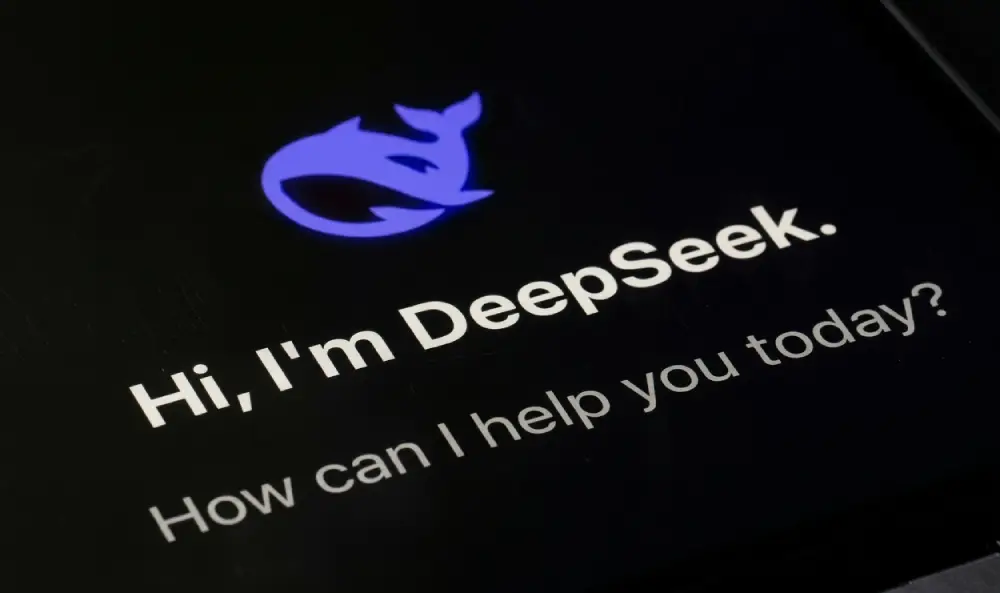
The DeepSeek V4 AI model is emerging as a major contender in the global artificial intelligence race. Developed by DeepSeek, this advanced system is gaining attention as China strengthens its position against leaders like OpenAI and Google. With rapid innovation and aggressive investment, the competition is intensifying heading into 2026.
DeepSeek V4 AI Model Explained
The latest version from DeepSeek introduces improvements in reasoning, language understanding, and efficiency. Unlike many earlier systems, it focuses on delivering strong performance while reducing operational costs.
This balance between power and affordability could make it appealing across industries, from startups to large enterprises. The model is also designed to support multilingual tasks, which may help it expand globally.
China’s AI Model Strategy vs Western Leaders
China’s broader AI push is playing a crucial role in shaping the rise of new models like this one. While OpenAI and Google continue to dominate innovation, Chinese firms are focusing on scalability and faster deployment.
This strategic difference could allow China to catch up more quickly than expected, especially in commercial applications where cost and accessibility matter.
For deeper insights, check our internal guide on “Future of AI Competition Globally.”
How DeepSeek Compares in the AI Race
When compared with existing AI systems, DeepSeek’s approach stands out for its efficiency-driven design. Instead of only chasing peak performance, it aims to deliver consistent results at lower cost.
This could be a key factor in industries where companies are looking to integrate AI without significantly increasing expenses.
Challenges Facing DeepSeek and China
Despite the momentum, challenges remain. Competing globally requires trust, strong developer ecosystems, and compliance with international regulations.
Geopolitical factors may also impact how widely Chinese AI technologies are adopted outside domestic markets.
Future of AI Competition in 2026
The rise of advanced AI models signals that the global race is far from over. With multiple players investing heavily, the next few years will determine leadership in artificial intelligence.
Experts believe that innovation, accessibility, and real-world adoption will ultimately decide the winner—not just raw technological power.
Conclusion
The DeepSeek V4 AI model highlights China’s growing ambition in artificial intelligence. While OpenAI and Google remain dominant, the gap is narrowing. As we approach 2026, the competition is set to become even more intense, potentially reshaping the global AI landscape.


