

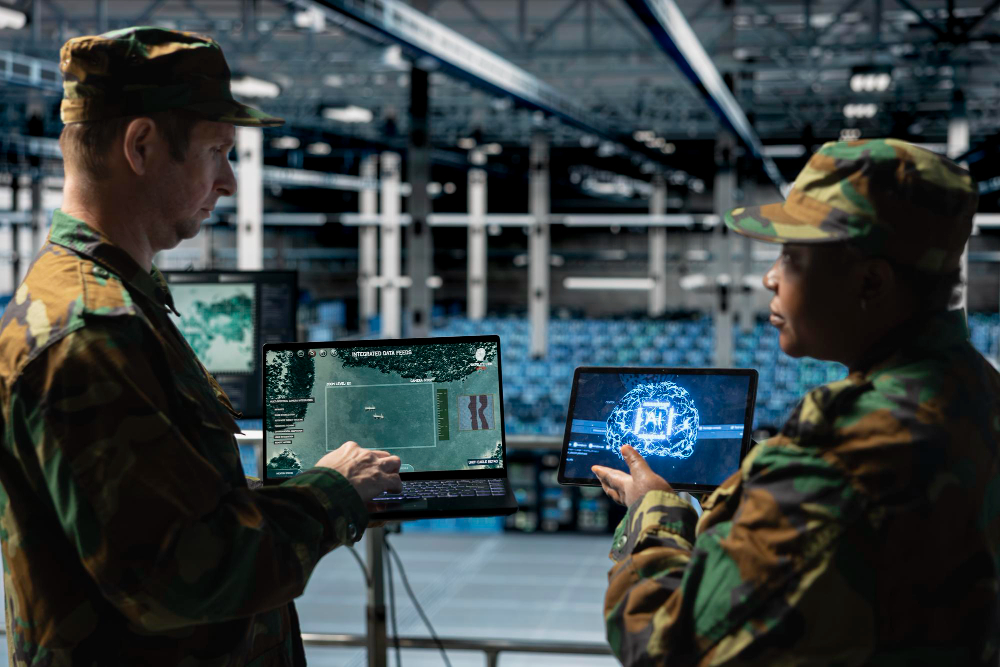
One of the most seismic weeks in AI history just played out — and most people are still wrapping their heads around what it means. OpenAI, the company behind ChatGPT, announced a deal that allows its AI models to be deployed in classified situations for the US Department of Defense (renamed the “Department of War” by the Trump administration). It sent shockwaves through the tech community, triggered a record user exodus from ChatGPT, and catapulted Anthropic’s Claude straight to the number-one spot on the App Store.
What Exactly Did OpenAI Agree To?
For months, Anthropic and the US military had been negotiating over strict guardrails around AI use in warfare. Anthropic drew firm lines: no mass surveillance of American citizens, no autonomous weapons systems that could strike without human oversight. The Pentagon pushed back, and the negotiations broke down. Then OpenAI stepped in. The company announced it had reached an agreement to let its models operate in classified environments — a deal that, at surface level, appeared to cross the very lines Anthropic had refused to budge on. OpenAI clarified that its agreement maintains “redlines” against autonomous weapons and autonomous surveillance, but critics remained unconvinced.
The Public Reaction Was Immediate and Brutal
The day after OpenAI’s announcement, ChatGPT app uninstalls jumped 295% day-over-day. That is not a typo — nearly three times the normal uninstall rate in a single day. Users flooded social media with frustration, calling the move a betrayal of OpenAI’s original safety-first mission. The biggest winner? Anthropic. Claude shot to number one on the App Store almost overnight, driven by users actively searching for an alternative they could trust. The swing was so visible that app analytics firms published real-time updates throughout the day.
Why OpenAI’s Own Hardware Chief Quit
The fallout was not just external. Caitlin Kalinowski, OpenAI’s hardware executive, resigned in protest, publicly stating that the deal was “rushed without the guardrails defined.” Her departure highlighted a growing internal tension inside OpenAI — one that had been building for months between safety researchers and the company’s commercial and strategic ambitions. For people tracking AI governance, this was a watershed moment. A senior insider walking out and publicly saying the process lacked sufficient safeguards is the kind of alarm bell that does not get walked back easily.
What This Means for the OpenAI Landscape
This episode has redrawn the competitive and ethical map of the AI industry in ways that will echo for years. First, it makes trust a bankable asset. Anthropic’s surge in downloads was not about technical superiority — Claude and GPT-5 are close enough in capability that most users cannot tell the difference day-to-day. The surge was about values alignment. People chose Claude because they believed Anthropic would not quietly sign deals that compromise their safety principles. Second, it puts every other AI lab on notice. If you want enterprise contracts, government deals, and consumer trust simultaneously, you are going to have to be explicit about what you will and will not do. The vague “we believe in responsible AI” statements that dominated industry discourse in 2023 and 2024 are no longer good enough. Third, it creates a new kind of market segmentation — one based on ethics rather than features.
The Broader Question: Should AI Be Used in Warfare at All?
This debate is far from settled. Military AI is not inherently wrong — logistics optimization, medical triage support, and intelligence analysis are all areas where AI could reduce casualties rather than increase them. The concern is where the line gets drawn, and who draws it. As this saga continues to play out between OpenAI, Anthropic, and the Pentagon, it will quite literally shape the future of how AI is deployed in conflict zones. The stakes could not be higher.
Key Takeaways for OpenAI Watchers
- OpenAI agreed to deploy AI in classified US government environments — a deal competitors refused.
- ChatGPT uninstalls jumped 295% the day after the announcement.
- Claude hit #1 on the App Store as users migrated to Anthropic.
- OpenAI’s hardware chief resigned, calling the deal rushed.
- This moment has redefined trust as a core competitive advantage in AI.